
What are your favourite horror books? What are the themes that capture your imagination? There is a tradition of using horror to explore queer themes. It has been theorised that by using the horror genre to explore queer themes, storytellers can tap into the power of fear, suspense, and the supernatural to highlight the struggles, triumphs, and complexities of queer experiences. It allows for a unique lens through which to address and examine societal issues surrounding gender and sexuality. Do you feel this is still relevant now that there are more films and novels about queer people?
Writing exercise
Collaborating on building a world. Brainstorm a fictional world as a group, discussing things like geography, history, society, culture, etc. Assign different aspects to each person. Each person develops those aspects further. Afterward, share and discuss, weave together into a unique world and/or discuss how fearful elements differ.
Tips for writing horror
- Create a sense of atmosphere: Set the stage by carefully crafting the environment in which your story takes place. Use vivid descriptions to create a haunting or unsettling atmosphere that enhances the sense of dread.
- Build suspense: The key to effective horror storytelling is to keep your readers on the edge of their seats. Slowly escalate the tension by introducing small, eerie details and unsettling events, gradually leading up to the climax.
- Develop compelling characters: Engage your readers by creating relatable and well-rounded characters. Make them vulnerable to the horrors they encounter, and allow their fears and flaws to deepen the tension.
- Utilise sensory details: Engage all the senses in your descriptions to immerse your readers in the terrifying experience. Include visual, auditory, tactile, and olfactory details to make the horror feel vivid and palpable.
- Tap into primal fears: Explore universal fears and anxieties that resonate with readers on a deep level. Common themes include fear of the dark, fear of falling, isolation, loss of control, the unknown, and the supernatural.
- Show, don’t tell: Instead of explicitly explaining the horror, let the readers experience it firsthand through the actions, thoughts, and emotions of your characters. This helps to create a more immersive and engaging narrative.
- Leave room for imagination: Sometimes, what is left unsaid or unseen can be more terrifying than explicit descriptions. Give your readers room to use their imagination, leaving certain details or outcomes open-ended.
- Use pacing effectively: Vary the pace of your story to keep readers engaged. Slow, atmospheric moments can build tension, while faster-paced scenes can deliver sudden scares or revelations.
- Twist familiar tropes: While horror often relies on familiar themes and tropes, try to put a unique spin on them. Subvert expectations and surprise your readers with unexpected plot twists or character revelations.
- Aim for a memorable ending: The conclusion of your horror story should leave a lasting impact on your readers. It can be a shocking revelation, a lingering sense of unease, or a final twist that leaves them haunted long after they finish reading.
The above list a compilation from different writing sources. In general most suggest that the key to writing effective horror stories is to evoke strong emotions and immerse readers in a world filled with fear and suspense.
Happy writing!
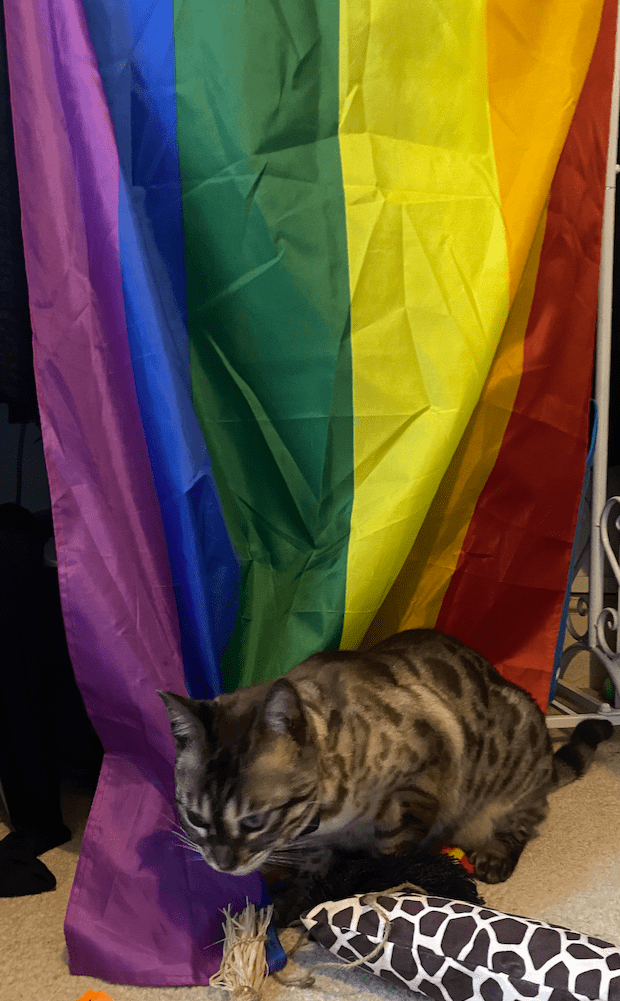
P.S. My feline friend Bailey features as the image for yet another post! She is the best and is my motivator to keep writing for enjoyment, exploration, relaxation and more.
 O. S. King
Leave a comment