
Hi All,
Looks like the sun is out and Bailey is playing in the garden, rather than sitting on my keyboard.
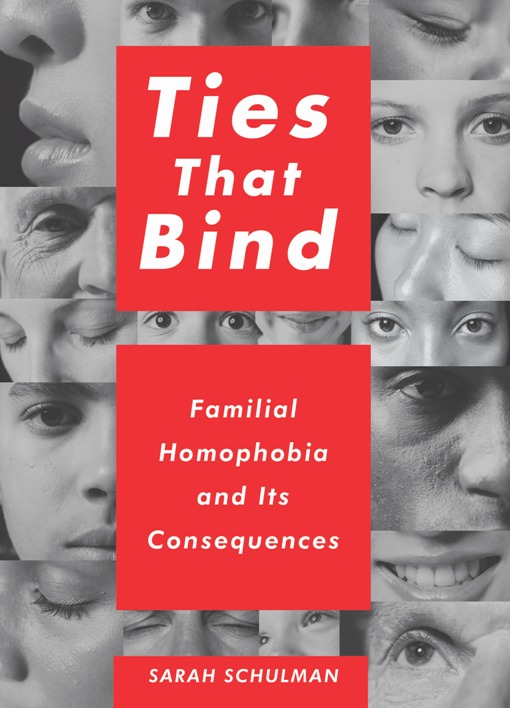
I’m grabbing this opportunity to write about a book I read by Sarah Schulman (activist, author and professor) called Ties that Bind: Familial Homophobia and its Consequences (2009, The New Press). It was a difficult read. I urge anyone who is queer, but especially if you are a queer creative and writer, to read this book, take notes and appreciate the care that the writer takes to share her experiences so that others can feel they are valued, that their experiences are similar and that finding space for marginalised and excluded voices is worth striving for.
Sarah Schulman is a notable activist with considerable experience navigating spaces that deliberately exclude and negate the queer experience. In this book I also got a glimpse into how problematic it is to write (any genre) with fully realised queer characters, really because so many of us have lives that have been nullified, vilified and criminalised by supremacist socio-economic and political structures including cis-supremacist and hetero-supremacist. I took a lot of strength from reading a book that shares the experiences of trying to be authentic to yourself in a world that dismisses not only who you are as a person, but your creative output too.
The book also explores the difficulties faced by lesbian writers in establishing routes to share their work and be recognised for it. It also looks at how books with primary lesbian characters are diminished and/or demeaned. Furthermore, we also get a glimpse into the patriarchy, homophobia and transphobia of agents, publishers and editors, including those who see lesbian writers as ‘less than’ others. The issues are compounded by intersectional issues. It is important to recognise how much effort it takes for marginalised authors, that we have come to read more widely (e.g. Audre Lorde, June Jordan, Octavia Butler), to dedicate their lives to their work and to fight to get their work out there.
As Sarah Schulman argues “Remember, people scapegoat the powerless because there is no consequence for doing so” (page 186 of the e-book). This is a core argument of the book and even if you are not someone directly affected by the journey of queer creatives, it is important to read the book if you ever want to be pro-active as a genuine ally.
I’ll say it again, this book is vital to read, for empowerment, understanding and recognising human rights. It is well-written and draws you in from the start.
For those interested in further reading, I recommend having a look at the recent interview of Sarah Schulman in The Paris Review (one of the few literary journals that has given her space to talk about her work).
Until next time.
Olivia and Bailey

